
Guide · 31 July 2026 · 2 min read
Roof Light U-Values and Part L: A Plain-English Guide
What a U-value actually measures, what Approved Document L expects from roof glazing, and the questions to ask any manufacturer before you order.
At some point in every extension, building control asks about U-values and the room goes quiet. The concept is simpler than the paperwork suggests: a U-value measures how fast heat escapes through a square metre of a building element. Lower numbers mean less heat loss. Solid insulated roofs achieve very low figures; glazing, which exists to let light through, sits higher — and the regulations set the ceiling.
What Part L actually asks of a roof light
Approved Document L covers the conservation of fuel and power in England, and for roof glazing it works in whole-unit terms: the glass, the frame or perimeter, and the junctions between them, assessed together. That distinction matters because a marketing page can quote the centre-pane value of the glass alone — always the most flattering number — while building control wants the whole-unit figure for the size you are actually installing.
Why size changes the number
The edge of any sealed unit loses more heat than the middle, so a small roof light — which is proportionally more edge — carries a slightly higher whole-unit U-value than a large one in the same specification. It is one of the quiet advantages of going bigger, and one more reason generic brochure figures mean little for a bespoke unit. The honest answer is always calculated for your dimensions.
The questions worth asking any supplier
- What is the whole-unit U-value for my exact size and glass build-up, in writing?
- Is the frame or perimeter thermally broken?
- What does upgrading the glass specification do to the number — and to the price?
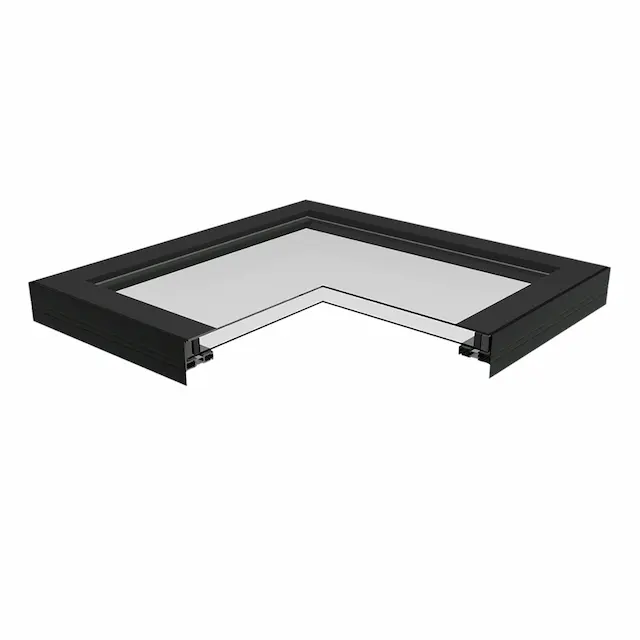
Ask us those questions and you get straight answers: every frameless and framed unit is specified to meet Approved Document L for flat-roof glazing, frames carry a full thermal break, and we confirm the whole-unit figure for your dimensions before manufacture — paperwork your building control officer can file without a follow-up phone call.
Comfort is more than a number
U-value governs winter heat loss, but summer comfort under glass is about solar gain — which is where solar-control coatings earn their keep on south-facing roofs. If you are unsure what your project needs, send the details through the bespoke enquiry page or call 03330 902 592 and we will specify it with you, honestly.
Frequently asked questions
What U-value do I need for a roof light?
Approved Document L sets the requirement for new and replacement roof glazing. We specify every unit to comply and confirm the whole-unit figure for your exact size and glass build-up before manufacture.
Why do quoted U-values differ between suppliers?
Usually because one is quoting centre-pane (glass only) and another whole-unit (glass plus frame). Whole-unit is the figure building control cares about — always compare like for like.
Does triple glazing make sense for a roof light?
It lowers the U-value further and adds weight and cost. For most extensions a high-spec double-glazed unit meets regulations comfortably; we will price both if you want to compare.
Do walk-on roof lights meet Part L too?
Yes — the thermal walk-on range combines the structural top pane with an insulating build-up specified to comply with flat-roof glazing requirements.
Featured in this article
Shop the products
Made in Britain
Roof lights made to your exact size
Every Vant Glass roof light is manufactured to order in Liverpool, with a 20-year guarantee and free UK mainland delivery. Get an instant price or talk to the team on 03330 902 592.